

On March 3, 1991, the African American community in Los Angeles and the world was horrified by the release of a videotape showing motorist Rodney King being brutally beaten at Los Angeles police officers’ hands. The media frenzy weaponized King’s race with headlines heralding “the Black motorist” instead of just his name, which we would all come to know.
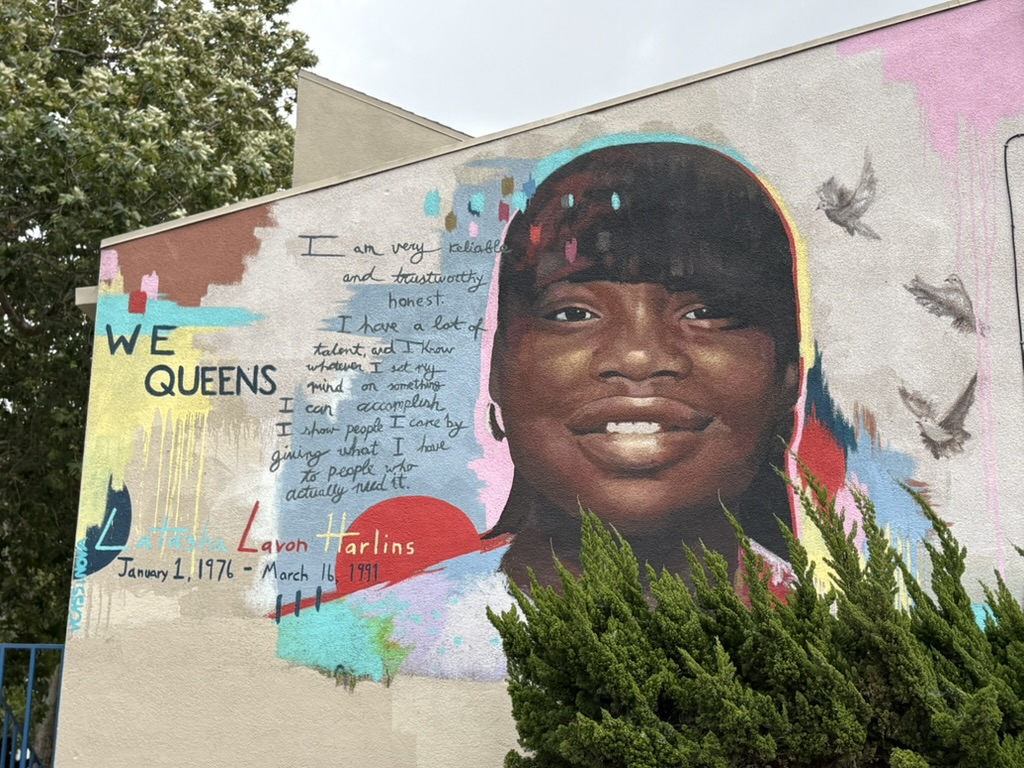
Thirteen days later, on March 16, 1991, Empire Liquor Store owner, Soon Ja Du, shot and killed 15-year-old Latasha Harlins as she walked away from their struggle over a $1.79 bottle of orange juice, which Du said the teen tried to steal—despite her having two dollars in her hands at the time of her murder. Harlin’s tragic death significantly heightened already tense race relations between Blacks and Koreans in Los Angeles. On November 15, 1991, a jury found Du guilty in the case of LaTasha’s death. They ruled it voluntary manslaughter, which carries a maximum 16-year sentence. Judge Joyce Karlin, who presided over the trial, set aside the verdict giving Du five years probation instead.
Many believe the shooting death of LaTasha played as big a role in sparking the civil unrest as did the King beating and verdict. Thirty-five years later, Community Coalition was a proud sponsor of the “Remembrance of Latasha and the LA Uprising” event which was held on April 25, 2026. Community members gathered in powerful numbers to celebrate the life of Latasha Harlins—honoring her legacy, uplifting her family, and recognizing those who continue to fight for justice in her name.

The Harlins family honored community champions:
• Truth Through Storytelling and Advocacy Award went to Paula Woo who has written a compelling book about the tragic event.
• Justice In Action Award — Najee Ali
• Legacy in Film Award — Shannon Dion
• Trailblazer of Justice Award — Sheba Lo, a steadfast leader with the LaTasha Harlins Justice Committee for all 35 years
• Community Impact Award — Marqueece Harris-Dawson
We remembered LaTasha collectively and continue the work. Because remembrance, on its own, is not enough. To honor Latasha is to confront the material conditions that took her life—and the systems that failed to deliver justice in its aftermath. It is to recognize that the same patterns of over-policing, racialized fear, and unequal accountability that defined 1991 still shape too many encounters today. And it is to move with intention: to build safety rooted in care, to challenge policies that criminalize our communities, and to ensure that what happened to LaTasha is not reduced to memory, but transformed into momentum.
#JusticeForLatasha #CommunityPower